
Dress for protest
By: Annika Kramer
It is an innate human need to express oneself. Whether it be beliefs, ethics, hobbies or identity they are all tied closely to self expression. Although there are many ways people choose to express themselves, one of the most powerful, long standing forms of expression is dress. Clothing can communicate anything, but most importantly, people use clothing to find those who they can relate to. Dress creates community, and community is a powerful force.
Throughout history, the shared strength brought out in community efforts has often been a driver for change. Think back to movements such as the Women’s Suffrage movement, Black Lives Matter, or even present-day resistance against to Immigration and Customs Enforcement.

White dresses (early 1900s) – The suffragette colors were purple, white, and green, which represented purity, hope, and dignity respectively. The use of distinctive colors signaled who was an ally and brought the movement into everyday life.

“Sunday best” (1950-1960s) – During the civil rights movements, people were expected to wear their “sunday best” to demonstrate that they deserved dignity and respect. This also countered the laws in the U.S., which had required Black people and slaves to dress in clothing that was considered “appropriate to their status.”
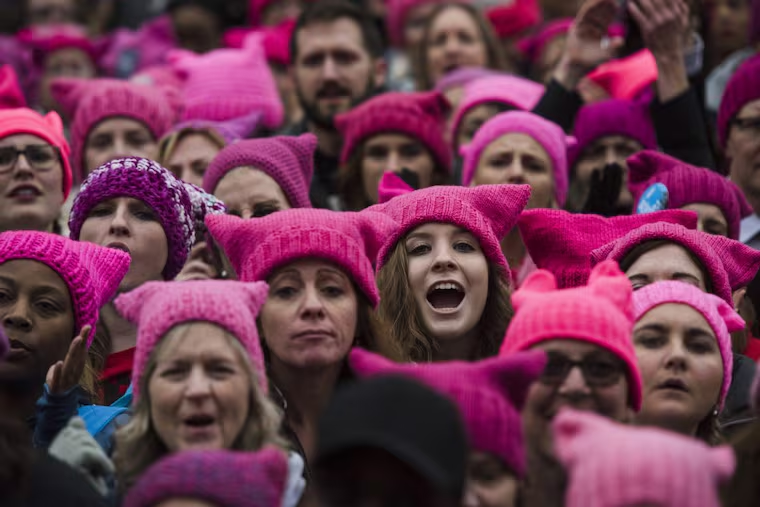
The Pink Pussy Hat (2016-2017) – The Pink Pussy hat aimed to turn protest marches into a “sea of pink” as a sign of solidarity in protest against the incoming Trump administration.

Safety Pins (2016) – The safety pin became a symbol for LGBTQ+ allies in the UK after Brexit and in the United States after the 2016 election, influencing jewelry trends.

The Red Hat (2025-2026, 1940-1945) – Crafters in Minnesota are knitting red tasselled hats (nisselue in Norwegian), inspired by its use in protest against Nazi occupation during WWII, in current protest of ICE